Selecting the appropriate size of trailer mounted concrete pump requires careful evaluation of multiple site-specific factors and operational requirements to ensure the equipment can perform effectively within the physical constraints and project demands. Before committing to any concrete pump sales offering, potential buyers must conduct a comprehensive assessment that balances the pump’s technical specifications with their site conditions, project requirements, and logistical considerations. This evaluation process involves analyzing physical dimensions, weight distribution, operational clearances, and mobility requirements specific to trailer mounted concrete pump units, which differ significantly from both mini concrete pump for sale options designed for confined spaces and stationary concrete pump installations intended for fixed locations. The determination process extends beyond simple measurements to encompass understanding how the pump’s size influences its placement flexibility, setup requirements, and operational efficiency within the unique constraints of each construction site. By methodically evaluating these factors before engaging in concrete pump sales discussions, contractors can avoid the costly mistakes of purchasing equipment that proves too large for site access or too small for project requirements, ensuring their investment in a trailer mounted concrete pump delivers optimal value through appropriate sizing matched to their specific operational environment and concrete placement needs.
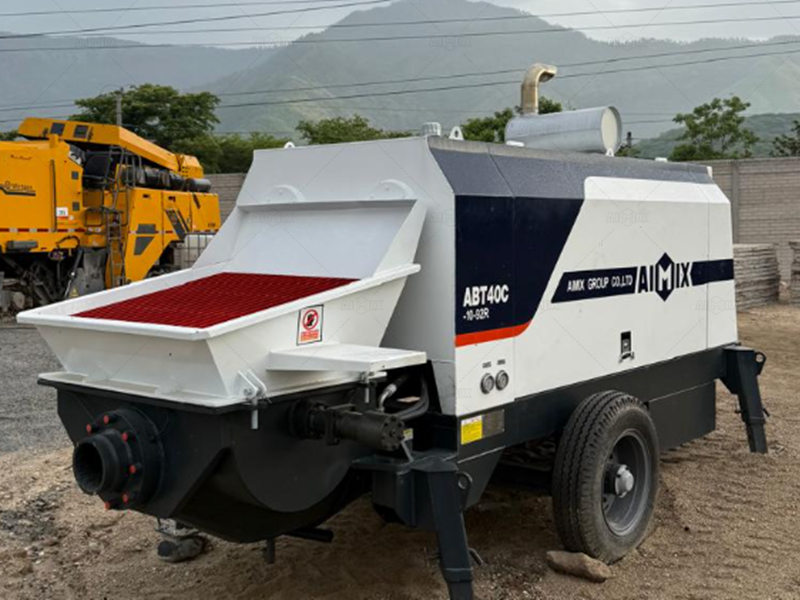
Comprehensive Site Access and Mobility Assessment
The initial phase in determining the appropriate trailer mounted concrete pump size involves a thorough evaluation of site access routes and mobility requirements that will govern equipment transportation and positioning. Before exploring concrete pump sales options, carefully measure all potential access points including gate widths, overhead clearances, turning radii, and pathway surfaces that the trailer mounted concrete pump must navigate to reach its operational position. This assessment should consider not only the equipment’s travel dimensions but also the turning capabilities and maneuverability characteristics that vary significantly between different trailer mounted concrete pump models, with some designed specifically for enhanced mobility in constrained sites. Compare these physical constraints against the specifications of various trailer mounted concrete pump units available through concrete pump sales, paying particular attention to overall length, width, height, and weight distribution to ensure compatibility with your site’s access limitations. Additionally, evaluate the terrain conditions the trailer mounted concrete pump must traverse, including ground stability, slope gradients, and surface composition, as these factors influence whether standard equipment can access the site or if specialized features like all-terrain tires or enhanced ground clearance are necessary. This comprehensive access assessment provides the foundational data needed to narrow the range of viable trailer mounted concrete pump options before engaging in detailed concrete pump sales discussions, ensuring consideration only of equipment that can physically reach and operate within your specific site constraints.
Operational Space Requirements and Setup Clearances
Beyond simple access considerations, determining the appropriate trailer mounted concrete pump size requires meticulous evaluation of the operational space needed for equipment setup, stabilization, and functioning during concrete placement operations. Unlike a mini concrete pump for sale designed for minimal footprint or a stationary concrete pump with fixed installation requirements, a trailer mounted concrete pump necessitates adequate space for outrigger deployment, boom articulation, and pipeline routing that collectively define its operational envelope. Before proceeding with concrete pump sales, measure the proposed setup area to ensure sufficient space exists for the trailer mounted concrete pump outriggers to extend fully to their stabilized position, typically requiring a clearance radius several feet wider than the equipment’s travel dimensions. Evaluate overhead clearances not just for equipment positioning but for boom operation throughout its full range of motion, particularly important when working near structures, power lines, or trees that could limit the trailer mounted concrete pump’s effective working range. Consider the spatial requirements for pipeline routing if using additional conveyance systems beyond the integrated boom, as this influences how much working space the trailer mounted concrete pump requires to reach all concrete placement locations effectively. This operational space assessment should also account for auxiliary equipment positioning, worker movement areas, and concrete truck access if using ready-mix supply, creating a comprehensive understanding of the total space footprint required for efficient trailer mounted concrete pump operation before finalizing any concrete pump sales decisions.
Project Requirements and Performance Specifications
Matching the trailer mounted concrete pump size to specific project requirements involves analyzing performance specifications against concrete placement needs to ensure the selected equipment can meet project demands without unnecessary overcapacity. Before engaging in concrete pump sales discussions, clearly define your project’s concrete placement parameters including maximum vertical and horizontal pumping distances, required output volume per hour, and any special concrete mix characteristics that might influence pump selection. Compare these requirements against the performance specifications of various trailer mounted concrete pump models, recognizing that larger units typically offer greater output capacity and longer reach but require more substantial setup space and access routes. Consider how the trailer mounted concrete pump compares to alternative options like a mini concrete pump for sale for smaller projects or a stationary concrete pump for fixed installations, with the trailer mounted concrete pump occupying a middle ground in terms of mobility and capacity. Evaluate whether your project demands the specific advantages of a trailer mounted concrete pump, including its balance between transportability and performance capabilities that differentiate it from both the limited capacity of a mini concrete pump for sale and the fixed nature of a stationary concrete pump. This performance-based analysis ensures that the trailer mounted concrete pump size selected through concrete pump sales processes aligns with actual project requirements rather than hypothetical maximum capacities, optimizing the investment by matching equipment capabilities to specific operational needs without paying for unnecessary overcapacity that complicates site integration.
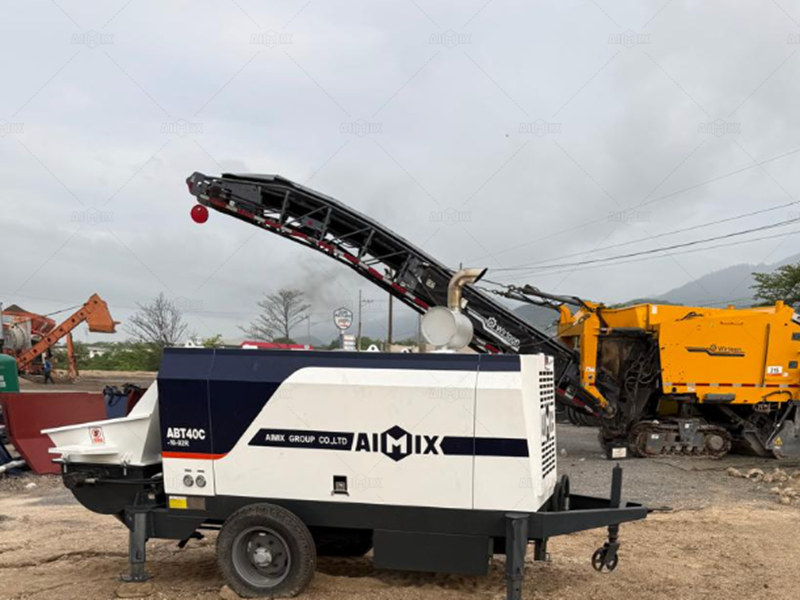
Weight Distribution and Ground Bearing Capacity Analysis
The physical weight and load distribution characteristics of a trailer mounted concrete pump represent critical sizing considerations that directly influence site suitability and operational safety, requiring careful evaluation before finalizing any concrete pump sales agreement. Unlike a mini concrete pump for sale with minimal ground pressure or a stationary concrete pump with permanent foundation requirements, a trailer mounted concrete pump concentrates significant weight through its outriggers during operation, creating substantial point loads that must be properly supported by the underlying soil or construction surface. Before selecting a specific trailer mounted concrete pump model through concrete pump sales, investigate the ground bearing capacity at your typical work sites, considering factors like soil composition, compaction, moisture content, and whether temporary support measures like steel plates or cribbing will be necessary for safe operation. Compare the calculated ground bearing capacity against the maximum outrigger load specifications for trailer mounted concrete pump options under consideration, recognizing that larger units with greater reach and capacity typically generate higher point loads that may exceed the capabilities of unprepared ground surfaces. This weight analysis should also consider transportation requirements, as heavier trailer mounted concrete pump units may require specialized towing vehicles and potentially special transport permits depending on local regulations, adding operational complexities not encountered with lighter equipment like a mini concrete pump for sale. By thoroughly evaluating these weight and load distribution factors before proceeding with concrete pump sales, contractors can select a trailer mounted concrete pump appropriately sized for their site conditions while ensuring safe operation through proper ground support planning.
Regulatory Compliance and Transportation Considerations
The legal and regulatory dimensions of trailer mounted concrete pump operation introduce important sizing considerations that vary by jurisdiction and influence equipment selection before engaging in concrete pump sales. Unlike a mini concrete pump for sale that typically falls below regulatory thresholds or a stationary concrete pump with fixed installation requirements, a trailer mounted concrete pump occupies a regulatory category that often triggers specific requirements for transportation, operation, and certification. Before finalizing any trailer mounted concrete pump selection through concrete pump sales, research local regulations governing equipment dimensions, weight limits, and special permit requirements for road transportation, as these factors may eliminate certain larger models from consideration if they cannot be legally transported to your project sites. Investigate whether operator certification requirements vary by trailer mounted concrete pump size or capacity, as this influences staffing considerations and operational flexibility compared to smaller equipment like a mini concrete pump for sale that may have less stringent operator qualifications. Consider how the selected trailer mounted concrete pump size aligns with insurance requirements and liability considerations, as larger equipment typically carries different risk profiles and coverage requirements that influence total ownership costs beyond the initial concrete pump sales price. These regulatory factors collectively shape the practical implementation of your trailer mounted concrete pump investment, making compliance assessment an essential component of the sizing determination process before committing to any specific equipment through concrete pump sales transactions.
Future Project Compatibility and Investment Optimization
The sizing determination for a trailer mounted concrete pump should incorporate forward-looking analysis of how the equipment will serve not just immediate project needs but future operational requirements across your business portfolio. Before concluding concrete pump sales negotiations, evaluate how the trailer mounted concrete pump size under consideration aligns with your company’s strategic direction, projected project types, and growth trajectory over the equipment’s anticipated service life. Consider whether selecting a slightly larger trailer mounted concrete pump than immediately necessary provides valuable capacity for future projects that might demand greater performance, or if this approach would unnecessarily limit site accessibility for your core business activities. Compare the versatility of the trailer mounted concrete pump against specialized alternatives like a mini concrete pump for sale for confined spaces or a stationary concrete pump for dedicated production facilities, assessing how each equipment type supports your business model and market positioning. This strategic perspective on trailer mounted concrete pump sizing helps optimize the investment value obtained through concrete pump sales by ensuring the selected equipment supports business development objectives rather than merely addressing immediate requirements. By incorporating this forward-looking analysis into the sizing determination process, contractors can select a trailer mounted concrete pump that delivers appropriate capacity for current projects while maintaining flexibility to pursue future opportunities, maximizing the return on investment achieved through strategic concrete pump sales decisions aligned with long-term business objectives rather than short-term considerations alone.